EXAMPLE TESTING
Example 1. Mozart, Minuet K. 601, no. 4, mm. 1–8
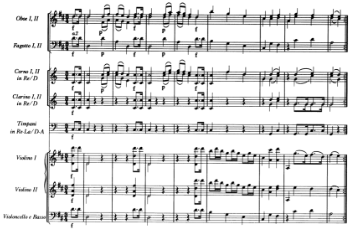
(click to enlarge)
Example 2. Mozart, String Quartet in D minor, K. 421, Menuetto, mm. 1–10
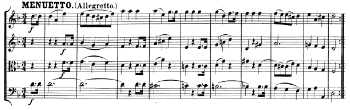
(click to enlarge)
Example 3. Alignment of steps and beats in the minuet, according to Feldtenstein (1772)

(click to enlarge)
Example 4. Musical examples from M. Malpied’s Traité sur l’Art de la Danse (1770, 100)
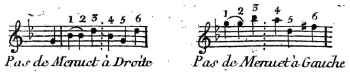
(click to enlarge)
Example 5. Dittersdorf, Symphony no. 3 in G, Kr. 75, Tempo di Minuetto, mm. 1–15 (winds omitted)
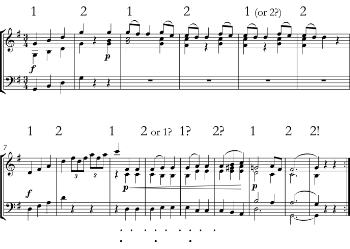
(click to enlarge)
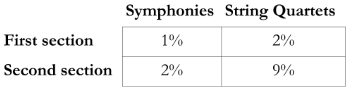
Example 6. Proportion of sections with an odd number of measures in two minuet corpora
(click to enlarge)
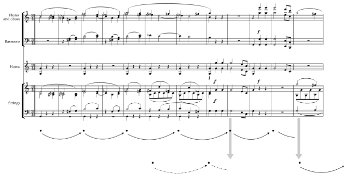
Example 7. Mozart, Symphony in C, K. 551, Menuetto, mm. 17–28 (trumpets and timpani omitted)
(click to enlarge)
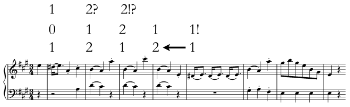
Example 8. Haydn, Symphony no. 64 in C, Menuetto, mm. 1–8 (reduction)
(click to enlarge)
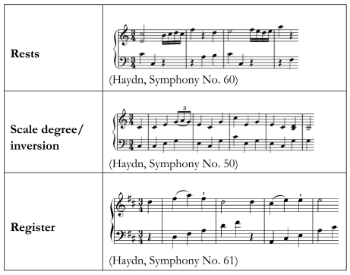
Example 9. Bass-line strategies to differentiate between strong and weak measures
(click to enlarge)
Example 10. Frequency of first-section lengths in two minuet corpora
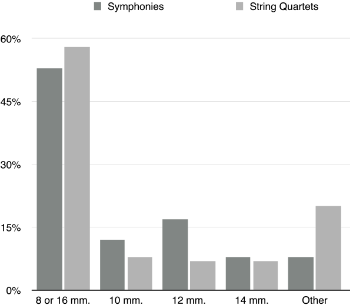
(click to enlarge)
Example 11. Mozart, Symphony in D, K. 202, Menuetto, mm. 1–14
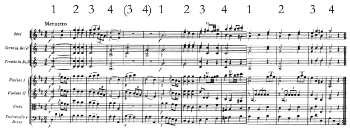
(click to enlarge)
Example 12. Haydn, Symphony in D major, Hob. I: 70, Menuetto, mm. 1–10
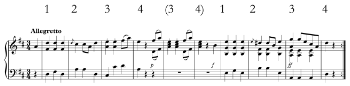
(click to enlarge)
Example 13. Proportion of minuets with a two-bar extension by repetition in the first section
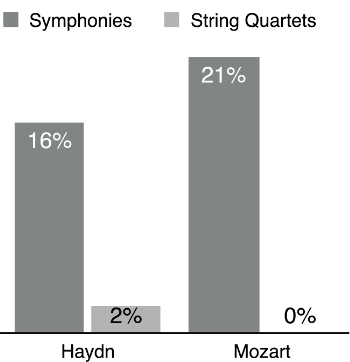
(click to enlarge)
Example 14. Opening reverences illustrated in Tomlinson’s The Art of Dancing (1735, Book II, plate IV)
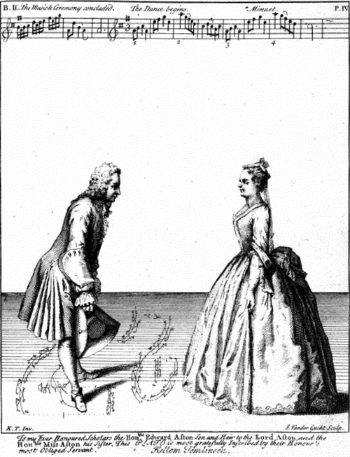
(click to enlarge)
Example 15. Haydn, String Quartet in E-flat major, op. 33, no. 2, Scherzo, mm. 1–10
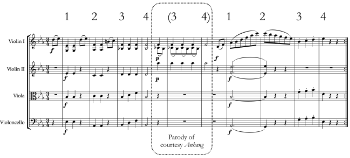
(click to enlarge)
Example 16. Haydn, Minuet in G major, Hob. IX:8, no. 8, mm. 1–8

(click to enlarge)
Example 17. Mozart, Symphony in G minor, K. 183, Menuetto, mm. 1–12
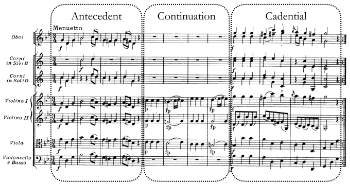
(click to enlarge)
Example 18. Three illustrations of the Z-figure in eighteenth-century dance treatises
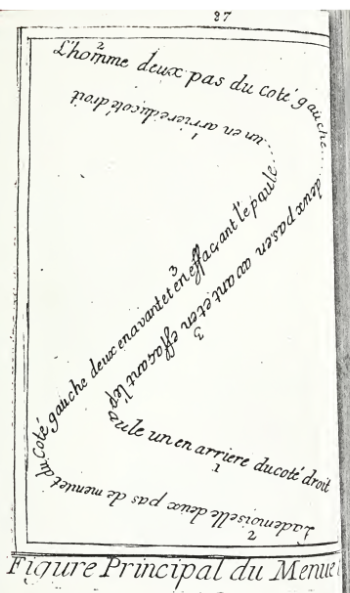
(click to enlarge)
Example 18b. Z figure illustrated in Tomlinson’s The Art of Dancing Explained by Reading and Figures (1735, 120)
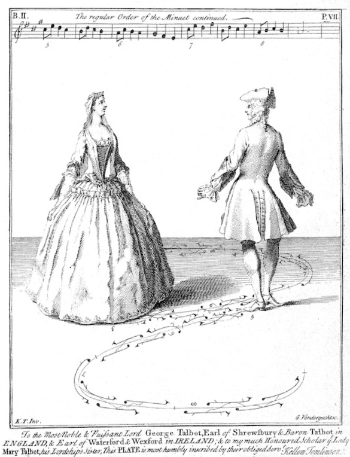
(click to enlarge)
Example 18c. Z figure illustrated in Feldtenstein ’s Erweiterung der Kunst nach der Chorographie zu tanzen (1772, 67)
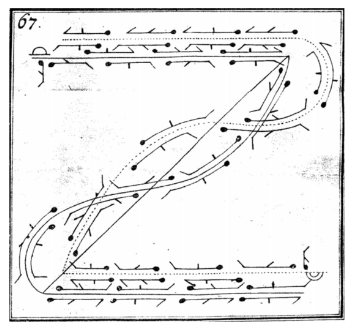
(click to enlarge)
Example 19. Haydn, Symphony in A major, Hob. I:59, Menuetto, mm. 1–12 (winds omitted)
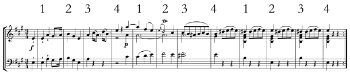
(click to enlarge)
Example 20. Dittersdorf, Symphony in D, Kr. 74, The fall of Phaeton, Tempo di Minuetto, mm. 1–12 (reduction)
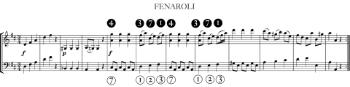
(click to enlarge)
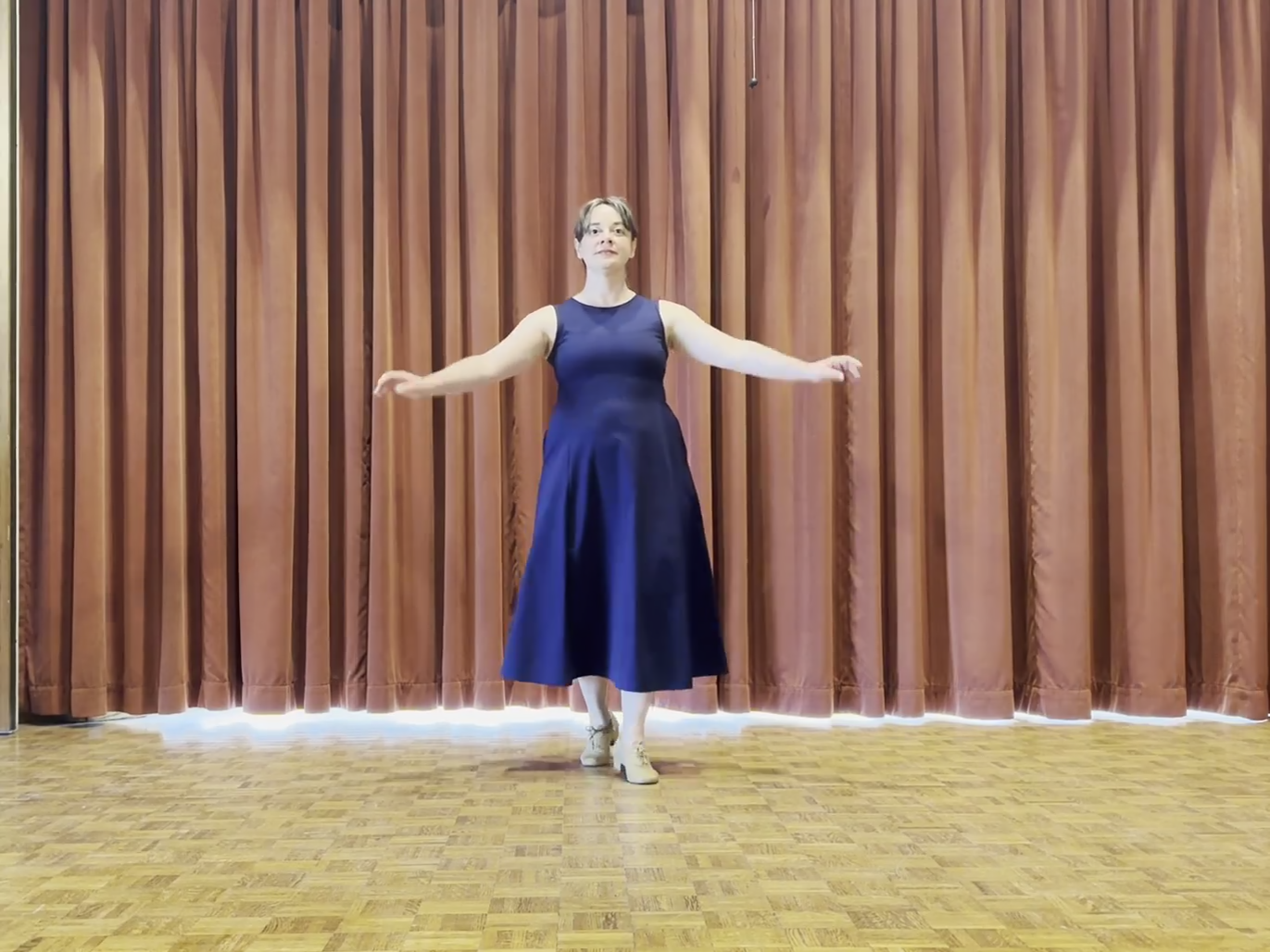
Video Example 1. Minuet step forwards and backwards (Dance: Sarah Edgar; Music: Haydn, Symphony no. 60 in C, Menuetto)
(click to enlarge)
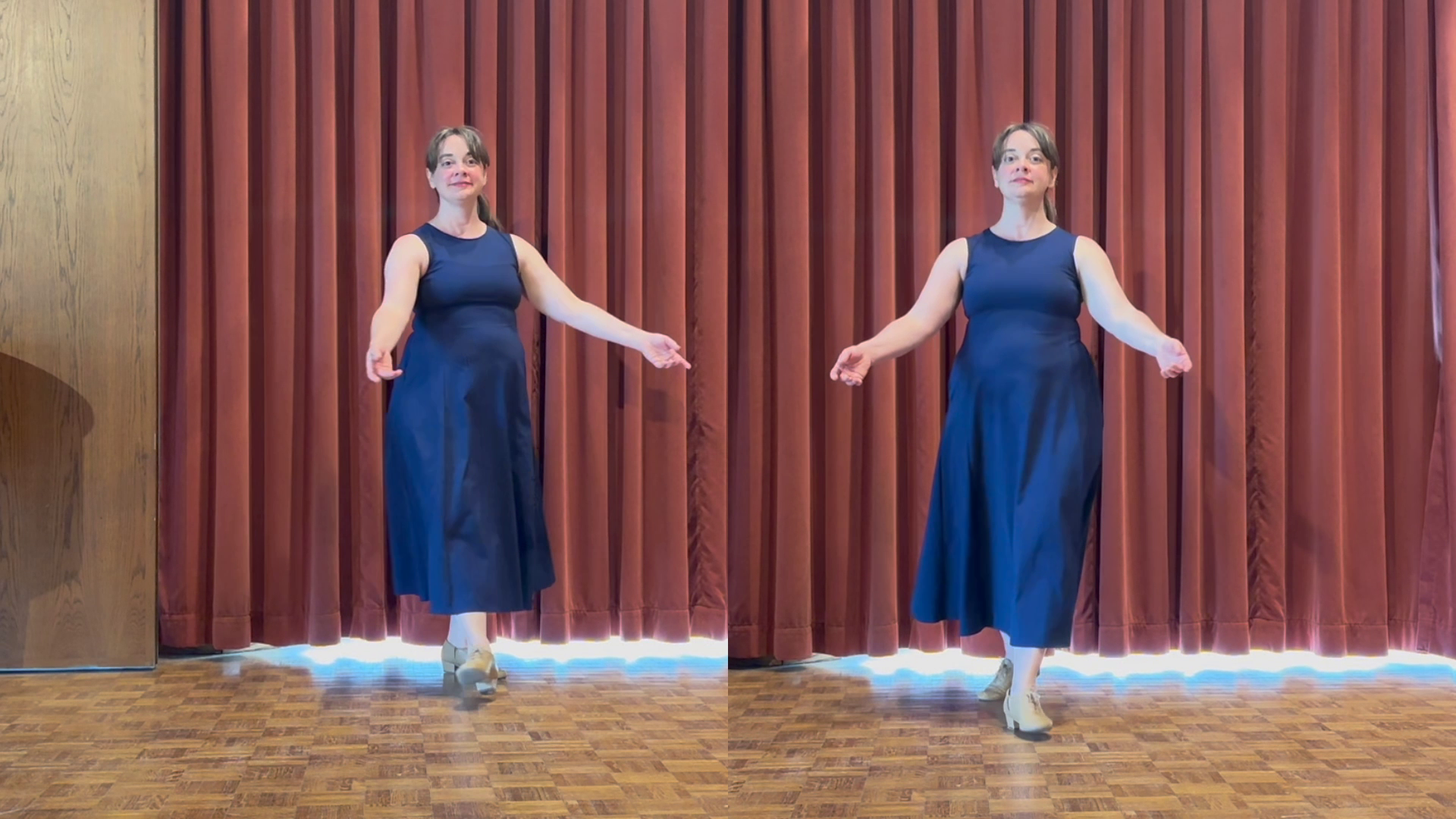
Video Example 2. Honors to the Presence (Dance: Sarah Edgar; Music: Haydn, Symphony no. 70 in D, Menuetto)
(click to enlarge)
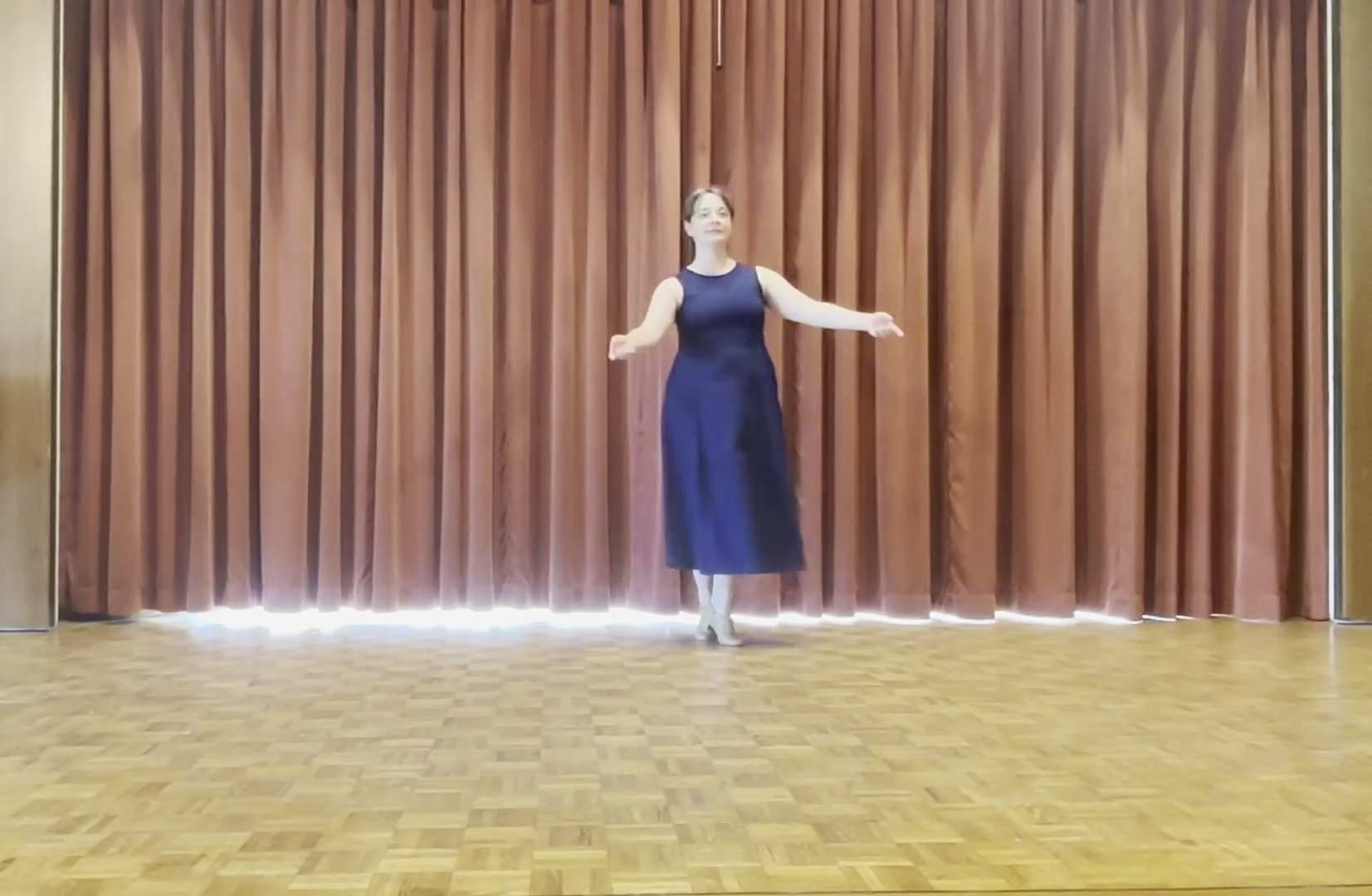
Video Example 3. Minuet steps combined into a Z-figures (Dance: Sarah Edgar; Music: Mozart, Symphony K. 183, Menuetto)
(click to enlarge)
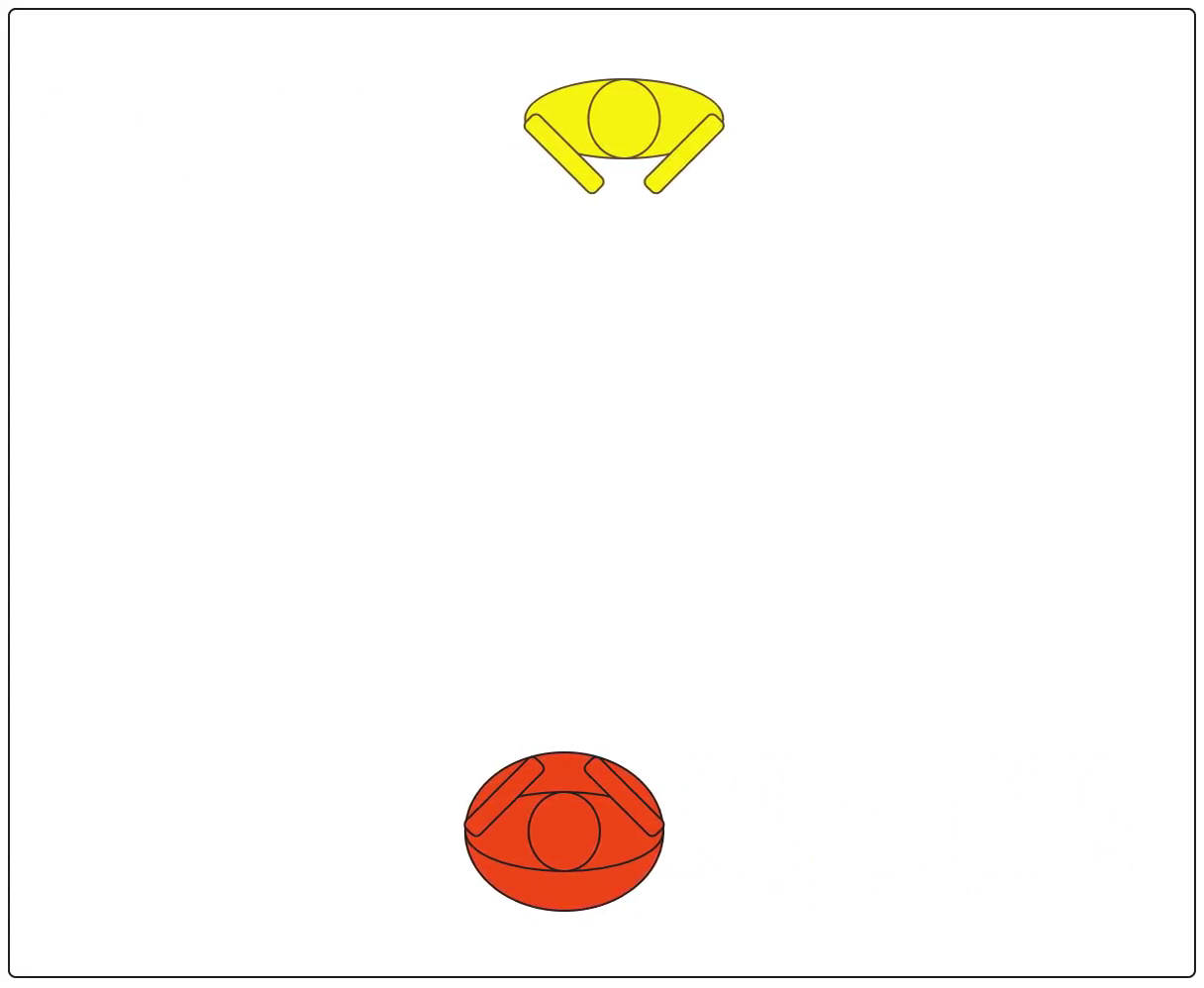
Video Example 4. Simplified execution of a Z-figures (Animation: Alison Stevens; Music: Mozart, Symphony K. 183, Menuetto)
(click to enlarge)
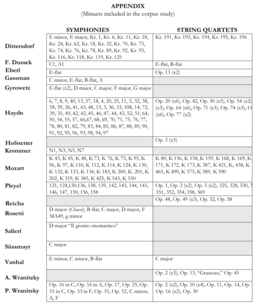
Example A. Breakdown of minuets included in the corpus
(click to enlarge)